.png)
MinerAI at Missouri University of Science and Technology hosted a seminar, “Exploring AI and Learning in the Age of Generative Intelligence,” at 4 p.m. Wednesday, Dec. 3, in Room 140 of Toomey Hall on the Missouri S&T campus in Rolla.
The seminar featured two speakers from the University of Missouri–Kansas City. Dr. Alexis Petri, director of the Center for Advancing Faculty Excellence at UMKC, discussed “Critical AI Literacies: Navigating the Andragogical and Heutagogical Terrain of Generative AI,” examining how generative tools are reshaping teaching, learning and critical reflection in higher education. Dr. Larry Wigger, teaching professor of supply chain management at UMKC, presented “Pedagogy versus Heutagogy: Neuroscience-Informed Strategies for AI-Enhanced Classrooms,” connecting economic change, cognitive science and classroom practice to strengthen human reasoning in an AI-driven environment.
A reception followed the talks and included special guest Shu-Ching Chen, Ph.D., executive director of the Data Science and Analytics Innovation Center (dSAIC), a University of Missouri System–wide center.
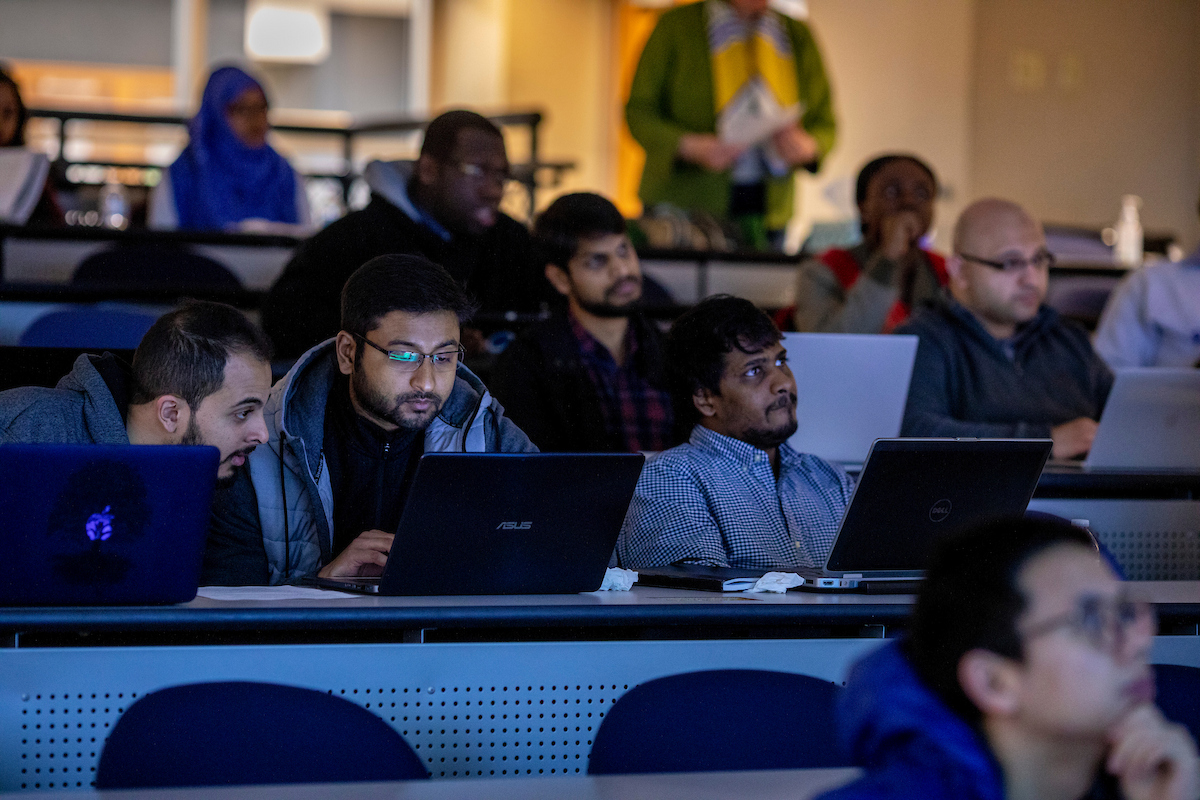
.jpg) In this MinerAI Seminar, Dr. Cihan H. Dagli, professor of systems engineering and founder of Missouri S&T’s Systems Engineering graduate program, outlined how artificial intelligence is reshaping modern health care. He highlighted current applications of machine learning in organ transplant allocation, showing how data-driven models can improve fairness and efficiency in matching donors and recipients. Dagli also discussed the challenges of moving AI systems from research settings into clinical practice, including validation, reliability and the need for responsible decision-support tools. His talk emphasized that real-world implementation—not just model development—is the key to delivering meaningful impact in medical decision-making.
In this MinerAI Seminar, Dr. Cihan H. Dagli, professor of systems engineering and founder of Missouri S&T’s Systems Engineering graduate program, outlined how artificial intelligence is reshaping modern health care. He highlighted current applications of machine learning in organ transplant allocation, showing how data-driven models can improve fairness and efficiency in matching donors and recipients. Dagli also discussed the challenges of moving AI systems from research settings into clinical practice, including validation, reliability and the need for responsible decision-support tools. His talk emphasized that real-world implementation—not just model development—is the key to delivering meaningful impact in medical decision-making..jpg)
.jpg)
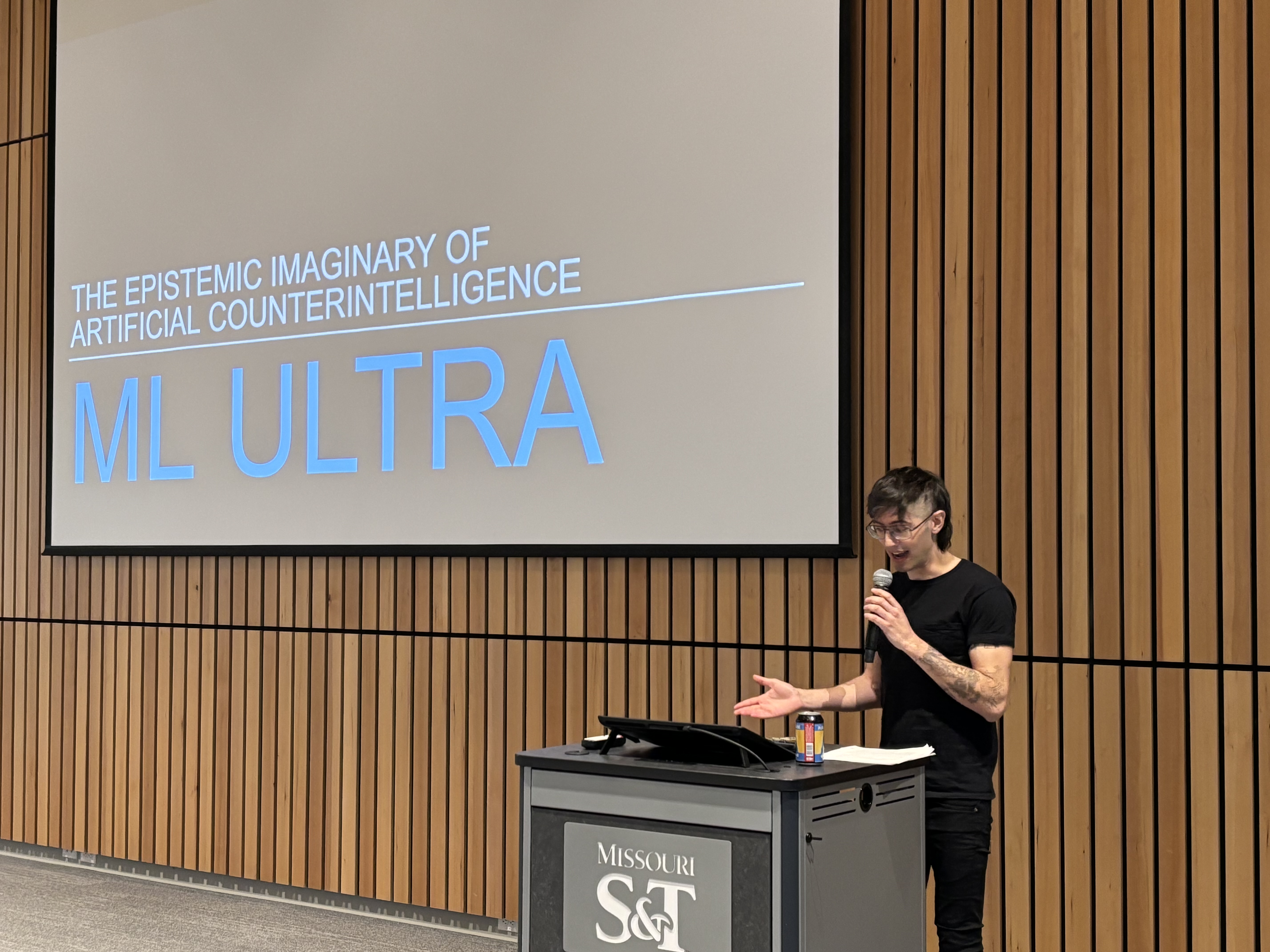
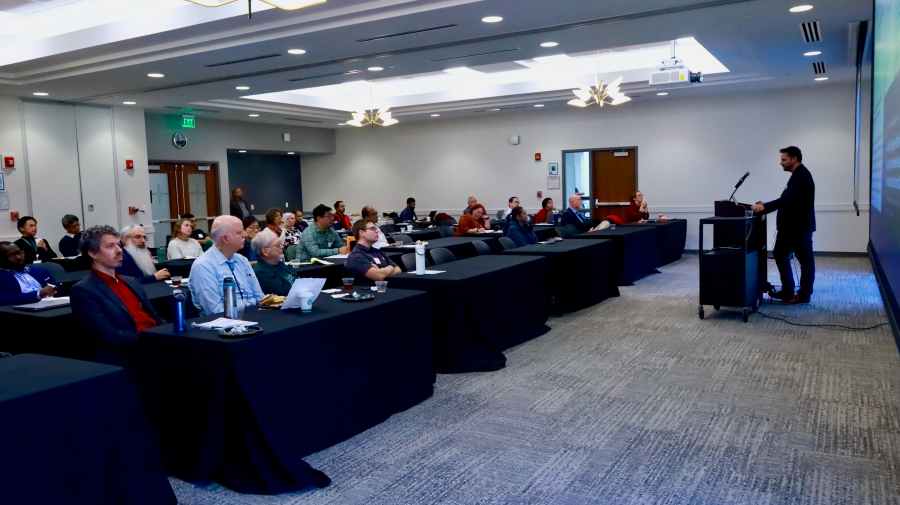 Missouri University of Science and Technology convened experts Nov. 6–7 for Artificial Influence and the Engineering of Mass Persuasion, a two-day interdisciplinary conference exploring how artificial intelligence is reshaping persuasive communication. Co-hosted by the Center for Science, Technology and Society (CSTS), the Kummer Institute’s Center for AI and Autonomous Systems, and Miner AI, the event brought together researchers, faculty and students to examine topics such as algorithmic influence, ethical design of AI-driven messaging systems, and the evolving role of automated persuasion in society. Keynote speaker Dr. S. Scott Graham of the University of Texas delivered a talk titled “Science that Sells: How Methods Can Drive Promotional Language Use in Research on Health AI.” Sessions featured panels and papers on algorithmic nudging, cognitive sovereignty, and AI’s impact on public discourse.

.png)